Mobil Kazino UX Metrikaları: Sürət, Etibarlıq və Qanuni Saxlama
In Azerbaijan’s dynamic digital landscape, mobile casino user experience has evolved beyond simple game access. Modern UX design focuses on creating seamless, trustworthy, and engaging environments that respect the user. This guide analyzes the core trends shaping mobile interfaces, focusing on measurable metrics, key terminology, and design principles relevant for the local audience. Understanding these elements is crucial for evaluating platform quality, with factors like loading speed measured in seconds and trust signals tailored to Azerbaijani user expectations playing a central role. For instance, a platform’s technical performance, such as that noted at https://pinco-casino-az.org/, is often benchmarked against these very metrics. We will explore how leading designs achieve user retention without employing manipulative dark patterns, setting a new standard for the industry.
Core UX Performance Metrics for Azerbaijani Users
Quantifiable data drives modern UX improvements. For mobile users in Azerbaijan, where network conditions and device capabilities vary, specific performance indicators are non-negotiable. These metrics directly influence user satisfaction, session length, and ultimately, platform loyalty. Designers and operators monitor these closely to ensure a competitive and fluid experience. Mövzu üzrə ümumi kontekst üçün BBC News mənbəsinə baxa bilərsiniz.
Speed and Responsiveness Benchmarks
Speed is the most critical factor in mobile UX. Delays of even a few seconds can lead to significant user drop-off. Key metrics here include First Contentful Paint (FCP), which should occur under 1.8 seconds, and Time to Interactive (TTI), ideally under 3.5 seconds. For Azerbaijani users, considering local mobile data speeds and the prevalence of mid-range smartphones, optimizing asset delivery and minimizing render-blocking resources is essential. Latency, measured in milliseconds, between user action and interface response must be imperceptible.
- First Contentful Paint (FCP): The time for the first text or image element to render.
- Largest Contentful Paint (LCP): Should be under 2.5 seconds for core game or lobby visuals.
- Time to Interactive (TTI): When the page becomes fully responsive to input.
- First Input Delay (FID): The delay from a user’s first tap to the browser’s response, target under 100 milliseconds.
- Cumulative Layout Shift (CLS): Measures visual stability; a low score prevents frustrating element jumps during loading.
- Session Initiation Time: Total time from app icon tap to being ready to play a selected game.
- Game Load Time: Specifically for loading individual game assets after selection.
- Payment Processing Latency: Time for deposit/withdrawal interface confirmation.
- Navigation Transition Speed: Smoothness when moving between lobby, game, and account sections.
- Search and Filter Response: Immediate feedback when filtering games by provider or type.
Building Trust Through UX Design in Azerbaijan
Trust is a currency in digital interactions, especially in regulated online spaces. For Azerbaijani users, trust signals must be clear, culturally resonant, and seamlessly integrated into the user journey. A trustworthy UX mitigates apprehension and encourages longer, more confident engagement. This goes beyond mere licensing logos to encompass the entire feel of the platform.
Effective trust signals are persistent, accessible, and verifiable. They should answer user questions before they are asked, particularly regarding security, fairness, and data protection. The design must communicate professionalism and reliability at every touchpoint, from the initial registration form to the cashier section.
- Transparent Licensing Information: Clear display of regulatory authority, often using recognizable visual badges.
- SSL/TLS Security Indicators: Prominent padlock icons and ‘https’ in the address bar, explained in simple terms.
- Localized Payment Methods: Integration of trusted Azerbaijani payment options like local bank cards, MilliÖn, and cash-in terminals.
- Clear Transaction History: An easily accessible, detailed, and real-time log of all deposits and withdrawals in AZN.
- Fair Gaming Certification: Visible seals from independent testing agencies like eCOGRA or iTech Labs, explaining what they certify.
- Responsive Customer Support: Multiple access points (chat, phone, email) with clear indication of availability and average response times.
- Privacy Policy and Data Handling Clarity: Summarized key points about data usage, accessible with one tap from any screen.
- Responsible Gaming Tools: Easy-to-find features for setting deposit limits, session reminders, and self-exclusion, using clear language.
- User Review and Rating Systems: Genuine, moderated user feedback displayed within the app store listing or platform.
- Consistent and Professional Visual Design: A polished, coherent interface free of intrusive ads or broken elements.
Retention Mechanics – Ethical Design vs Dark Patterns
User retention is the ultimate goal of UX, but how it is achieved defines ethical boundaries. Dark patterns are manipulative design tricks that coerce users into actions they might not intend, such as making unintended purchases or sharing data. The trend in progressive markets, including Azerbaijan, is shifting towards ethical retention mechanics that build long-term loyalty through positive reinforcement and genuine value.
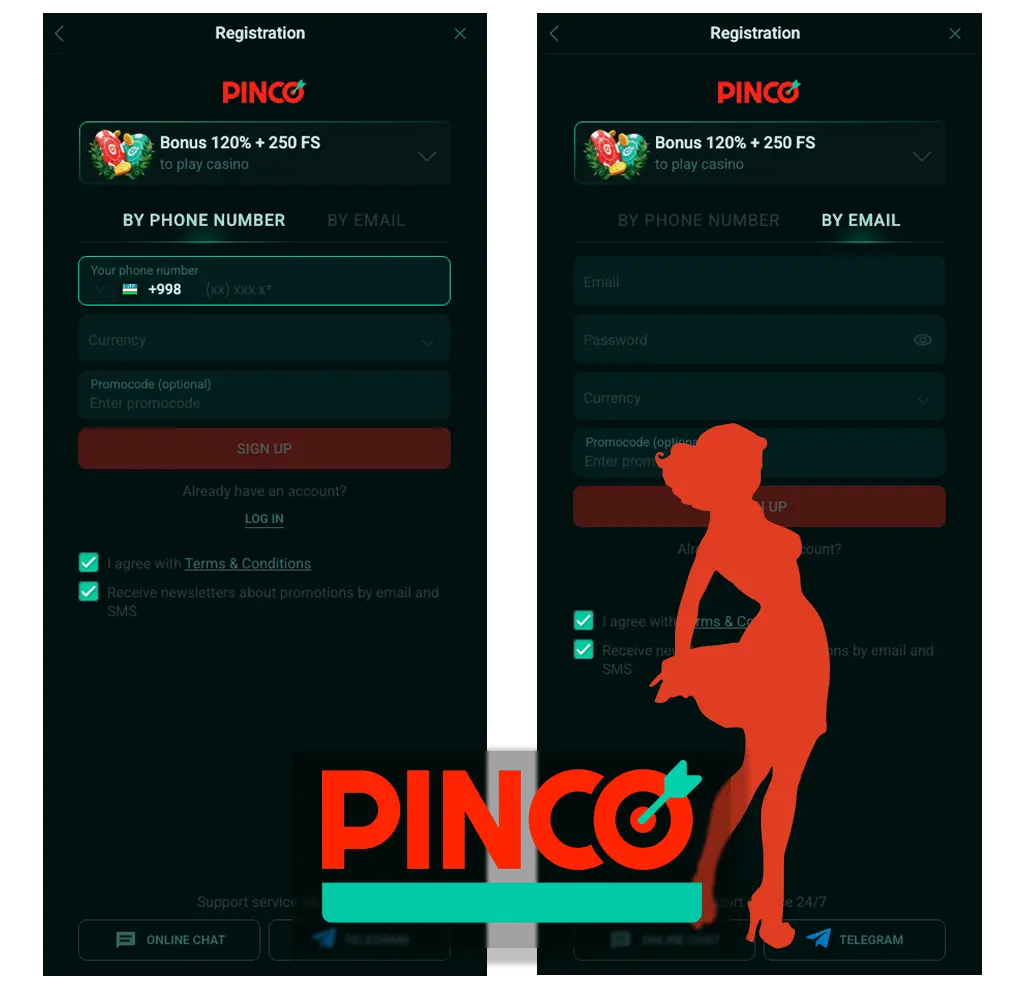
Ethical design respects user autonomy and decision-making. It provides clear choices without hidden traps, uses persuasive psychology responsibly, and prioritizes the user’s long-term satisfaction over short-term metrics. This approach not only complies with evolving regulatory expectations but also fosters a healthier and more sustainable user relationship.
Identifying and Avoiding Common Dark Patterns
Being able to identify dark patterns helps users make informed choices and pushes the industry towards better standards. These patterns often exploit cognitive biases and urgency.
| Dark Pattern Type | Typical Manifestation in Mobile UX | Ethical Alternative |
|---|---|---|
| Roach Motel | Extremely difficult account closure or subscription cancellation process buried in settings. | Clear, step-by-step cancellation path equal in ease to sign-up. |
| Forced Continuity | Charging for a subscription without clear warning after a “free trial” ends. | Multiple reminders before trial ends and an easy opt-out before charging. |
| Confirm Shaming | Using emotionally charged language (e.g., “No, I don’t want to win”) to decline an offer. | Neutral decline options like “No, thank you” or “Maybe later”. |
| Bait and Switch | An advertised action leads to a different, undesired outcome (e.g., a button promising “Bonus” initiates a deposit). | Clear, accurate labeling of all buttons and actions. |
| Disguised Ads | Interface elements styled to look like navigation or game icons but are actually advertisements. | Clear visual differentiation between content and promotional material. |
| Privacy Zuckering | Tricking users into sharing more personal data than they intend through confusing privacy settings. | Granular, easy-to-understand privacy controls with sensible defaults. |
| Countdown Timers | Fake urgency with timers on bonuses or offers that are perpetually resetting. | Using timers only for genuine, one-time limited offers. |
| Hidden Costs | Revealing extra fees or requirements only at the final stage of a transaction. | Displaying all costs, including potential transaction fees in AZN, upfront. |
Implementing Positive Retention Strategies
Positive retention focuses on creating habitual use through reward, personalization, and utility. These strategies make the platform a preferred choice by enhancing its inherent value.
- Personalized Game Recommendations: Algorithms suggesting games based on actual play history, not just promotion.
- Meaningful Reward Systems: Loyalty points that offer tangible value and clear progression paths, not just illusory benefits.
- Non-intrusive Notifications: Personalized alerts for genuine events (e.g., tournament start) with easy and granular control settings.
- Gamified Learning: Tutorials or challenges that teach game rules in an engaging way, building user confidence.
- Community Features: Safe, moderated chat or leaderboards that foster a sense of belonging without pressure.
- Regular Quality-of-Life Updates: Communicating new features that improve usability, like new filter options or faster cash-out methods.
- Transparent Bonus Terms: Presenting wagering requirements and conditions in a simplified, scannable format before acceptance.
Localized UX Considerations for Azerbaijan
A truly superior mobile UX resonates with local context. For Azerbaijan, this means more than just language translation. It involves understanding local user behavior, technological infrastructure, and cultural nuances that influence how people interact with mobile applications.

Design must account for the primary languages used in digital spaces, preferred interaction patterns, and the specific ways trust is established in the local market. Payment flow, for example, is a critical junction where localization directly impacts success rates and user trust. Mövzu üzrə ümumi kontekst üçün volatility mənbəsinə baxa bilərsiniz.
- Full Azerbaijani Language Support: Not just menus, but all help text, legal terms, and customer support.
- AZN as Default Currency: Clear display of all balances, bets, wins, and bonuses in manat, with no confusing currency conversion during play.
- Local Holiday and Event Integration: Thematic visual updates or special tournaments aligned with Novruz, national holidays, or major sports events.
- Network Optimization for Local Providers: Ensuring stable performance on networks like Azercell, Bakcell, and Nar Mobile.
- Design for Device Diversity: Ensuring smooth performance across popular Android and iOS device models commonly used in the country.
- Cultural Sensitivity in Imagery and Content: Using visuals and themes that are appropriate and engaging for the local audience.
- Support for Local Customer Service Norms: Offering communication channels and response styles that meet local expectations.
The Future Trajectory of Mobile Casino UX
The evolution of mobile UX is moving towards greater personalization, immersion, and seamlessness. In Azerbaijan, as smartphone penetration and 4G/5G network quality improve, users will expect even more sophisticated and instantaneous experiences. The benchmark for speed will continue to rise, and trust will become increasingly integrated into the fabric of the design rather than being signaled overtly.
Emerging technologies like faster mobile processors, improved mobile browsers, and more advanced CSS and JavaScript capabilities will allow for richer interfaces without sacrificing performance. The focus will remain on reducing cognitive load for the user, making complex systems feel simple and secure. The ethical dimension of design will likely come under greater scrutiny from both users and regulators, making transparency and user empowerment a competitive advantage. The platforms that succeed will be those that view UX not as a cost, but as the core of their value proposition, building lasting relationships through respect, speed, and unwavering reliability.